
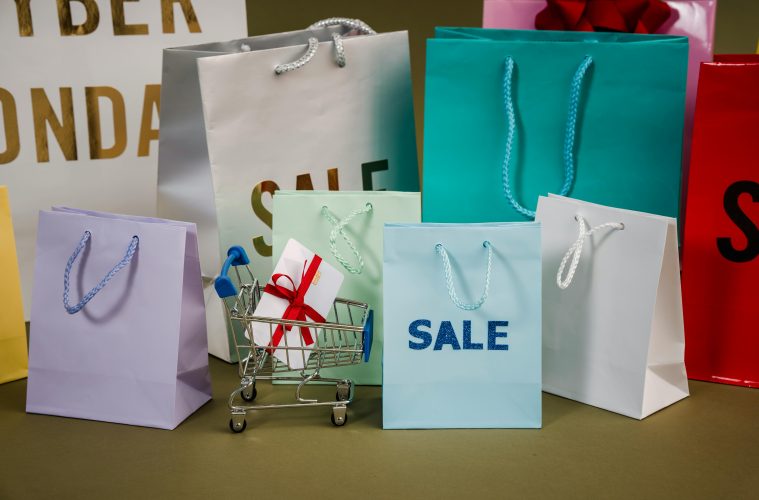
For years, social media encouraged people to buy more.
More clothes.
More gadgets.
More luxury items.
More everything.
But in 2026, a very different trend is gaining momentum.
It’s called Underconsumption Core, and instead of showing off new purchases, people are proudly using products they already own.
From worn-out sneakers to decade-old kitchen appliances, millions are sharing videos celebrating practicality over constant consumption.
So why is this trend suddenly exploding?
What Is Underconsumption Core?
Underconsumption Core is a social media movement that encourages people to:
- Use items until they actually wear out
- Buy fewer unnecessary products
- Avoid trend-driven spending
- Focus on value instead of appearances
Instead of posting shopping hauls, creators show:
- Half-used beauty products
- Old furniture
- Well-worn clothing
- Long-lasting electronics
The message is simple:
You don’t need to replace something just because it’s no longer trendy.
Why the Trend Is Growing
Several factors are driving the movement.
Rising Costs
People are feeling financial pressure.
Housing, insurance, groceries, and everyday expenses remain expensive for many households.
As a result, more consumers are looking for ways to cut unnecessary spending.
Social Media Fatigue
Many users are becoming tired of endless influencer content centered around buying things.
The constant cycle of:
- Hauls
- Unboxings
- Luxury shopping
has started to feel unrealistic to many viewers.
Underconsumption Core offers a different perspective.
Environmental Concerns
Many supporters also see the trend as a way to reduce waste.
Keeping products longer means:
- Less landfill waste
- Fewer unnecessary purchases
- Lower environmental impact
Why Brands Are Paying Attention
This trend may seem anti-business at first.
But companies are adapting.
Many brands are now emphasizing:
- Durability
- Repairability
- Long product life cycles
Consumers increasingly want products that last.
Is This Actually New?
Not really.
Previous generations often viewed this behavior as normal.
Using something until it wore out wasn’t a trend.
It was simply common sense.
What’s different today is that social media is turning that behavior into a visible movement.
What Underconsumption Core Gets Right
The movement highlights several valuable financial habits:
- Delaying unnecessary purchases
- Avoiding impulse spending
- Appreciating what you already own
- Spending intentionally
These habits can improve financial health regardless of income level.
The Criticism
Not everyone loves the trend.
Critics argue that:
- Some creators are simply rebranding basic frugality
- Financial situations vary widely
- Not everyone has the same spending pressures
Others point out that social media often turns practical habits into temporary trends.
What This Means for Your Money
Whether the trend lasts or not, it reflects a larger shift.
People are becoming more thoughtful about spending.
After years of consumerism dominating online culture, many consumers are looking for balance.
And that may be one of the healthiest financial trends we’ve seen in a long time.
Final Thoughts
Underconsumption Core isn’t really about spending nothing.
It’s about spending intentionally.
In a world where algorithms constantly encourage buying more, the idea of simply using what you already own feels surprisingly revolutionary.
Sometimes the smartest financial decision isn’t finding a new way to make money.
It’s keeping more of the money you already have.
FAQ
What is Underconsumption Core?
A social media trend focused on using products longer, buying less, and avoiding unnecessary spending.
Why is Underconsumption Core popular?
Rising costs, consumer fatigue, and growing interest in financial wellness have helped fuel the trend.
Is Underconsumption Core good for saving money?
Yes. The movement encourages intentional spending and reducing unnecessary purchases.