
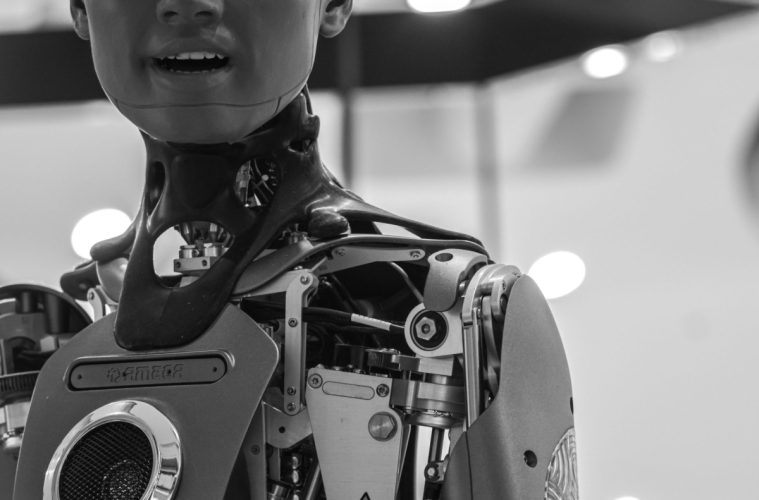
AI is changing the workforce faster than most people expected.
In 2026, companies are increasingly using artificial intelligence to automate tasks that once required entire teams. That has sparked a major question worldwide:
Which jobs are actually safe?
According to recent workforce reports, AI is expected to reshape millions of jobs globally over the next several years, especially repetitive and administrative roles (see World Economic Forum analysis here: https://www.weforum.org/reports/the-future-of-jobs-report-2025/).
But not every career is equally vulnerable.
Some jobs are much harder to automate because they depend on:
- Human judgment
- Emotional intelligence
- Complex decision-making
- Physical adaptability
- Creativity
And many of those jobs also happen to pay extremely well.
1. Surgeons and Specialized Doctors
Average high-end income:
- $250,000 to $1M+ annually
AI can assist doctors, but replacing surgeons completely is a different story.
Medicine involves:
- Real-time decision-making
- Physical precision
- Human trust
- Complex patient care
AI tools are improving diagnostics, but human specialists remain essential.
2. Skilled Trades
Examples:
- Electricians
- Plumbers
- HVAC technicians
Why AI struggles here:
Every environment is different.
Physical trades require:
- Adaptability
- Problem solving
- Hands-on work in unpredictable conditions
Many skilled trades are already experiencing worker shortages, which is pushing wages higher.
3. High-Level Software Engineers
Ironically, AI still needs humans to build, monitor, and improve it.
Top engineers working in:
- AI systems
- Security
- Infrastructure
- Robotics
continue to earn extremely high salaries.
AI can generate code, but complex architecture and oversight still require experienced developers.
4. Therapists and Mental Health Professionals
This is one area where human connection matters deeply.
People want:
- Empathy
- Trust
- Emotional understanding
AI chat systems may assist, but they are unlikely to fully replace licensed professionals anytime soon.
Demand for mental health services also continues to grow globally.
5. Executives and Strategic Leaders
AI can analyze data.
It cannot fully replace:
- Leadership
- Negotiation
- Vision
- High-level business judgment
Executives who make major strategic decisions remain difficult to automate.
6. Creators and Personal Brands
This one surprises people.
AI can generate content, but audiences still connect strongly with authentic personalities and human-driven brands.
Examples:
- Influencers
- Podcasters
- Entertainers
- Public figures
In fact, creators who learn to use AI effectively may become even more valuable.
7. Emergency Response and Crisis Management
Jobs involving:
- Firefighters
- Emergency coordinators
- Disaster response leaders
require rapid decision-making in chaotic, unpredictable situations.
These environments remain extremely difficult for AI systems to handle independently.
The Jobs Most at Risk
According to workforce studies, the jobs most vulnerable to AI tend to involve:
- Repetitive administrative tasks
- Basic data processing
- Routine customer support
- Predictable workflows
That doesn’t mean those jobs disappear overnight, but many are already changing rapidly.
What This Means for Workers in 2026
The biggest advantage moving forward is adaptability.
The people most likely to succeed are those who:
- Learn new skills
- Use AI instead of fighting it
- Focus on work requiring human strengths
AI is becoming a tool across nearly every industry.
The goal isn’t avoiding technology. It’s learning how to work alongside it.
Final Thoughts
AI will absolutely reshape the workforce.
But despite the headlines, many high-paying careers remain difficult to automate because they rely on qualities machines still struggle to replicate.
Human judgment, creativity, leadership, and adaptability still matter.
And in many industries, they matter more than ever.
FAQ
Which jobs are safest from AI?
Jobs involving human interaction, complex decision-making, skilled physical work, and leadership are generally safer.
Will AI replace all jobs?
No. AI will change many jobs, but most experts expect humans and AI to work together in many industries.
What careers are growing because of AI?
AI engineering, cybersecurity, skilled trades, and tech infrastructure roles are seeing strong growth.